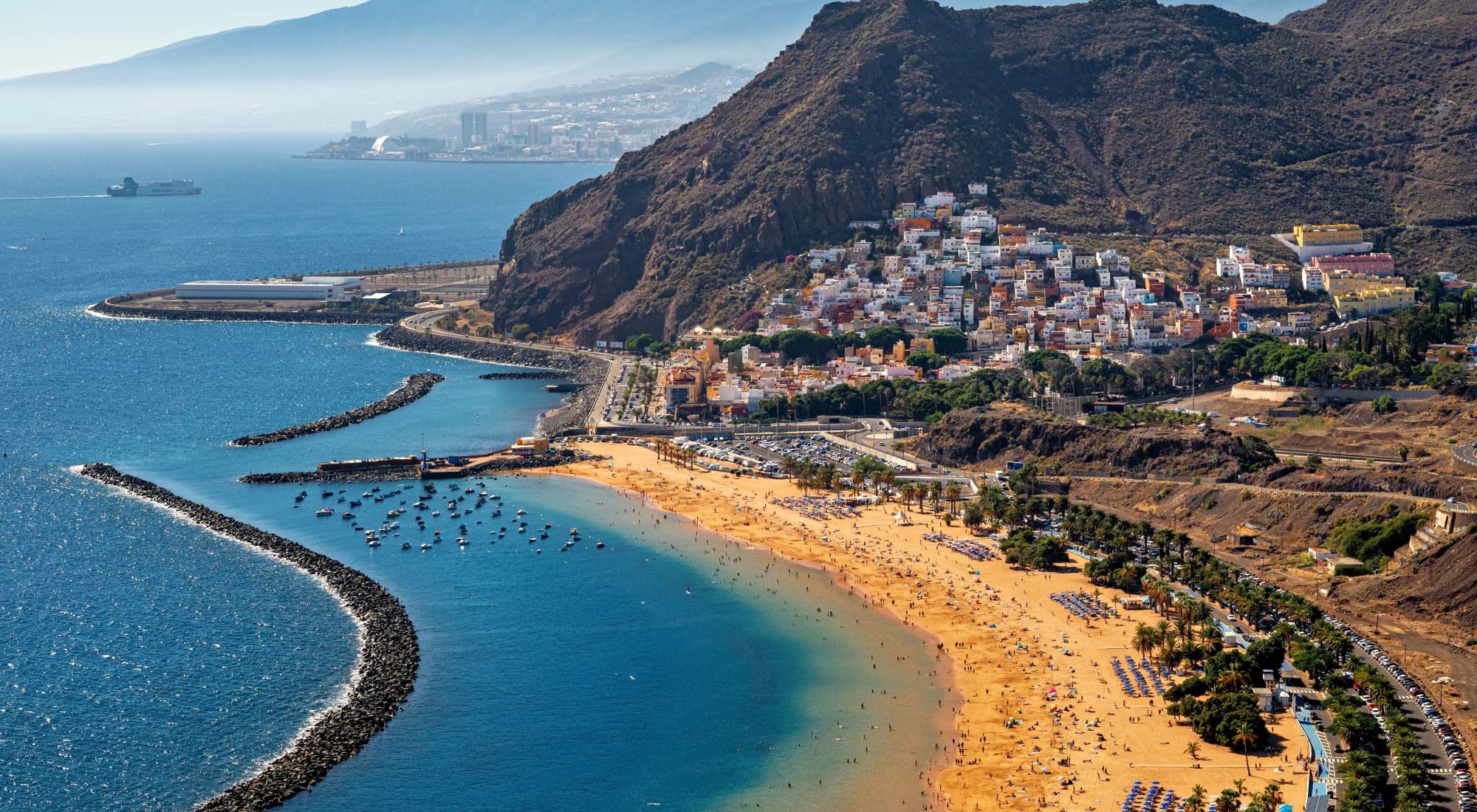
Discover Tenerife
Where to eat, stay, swim and drive, across the whole island and the volcano in the middle of it.
City Guide
Discover Tenerife
21+ places across Tenerife. Restaurants, beaches, hotels, boat trips and things to do, in one independent guide.
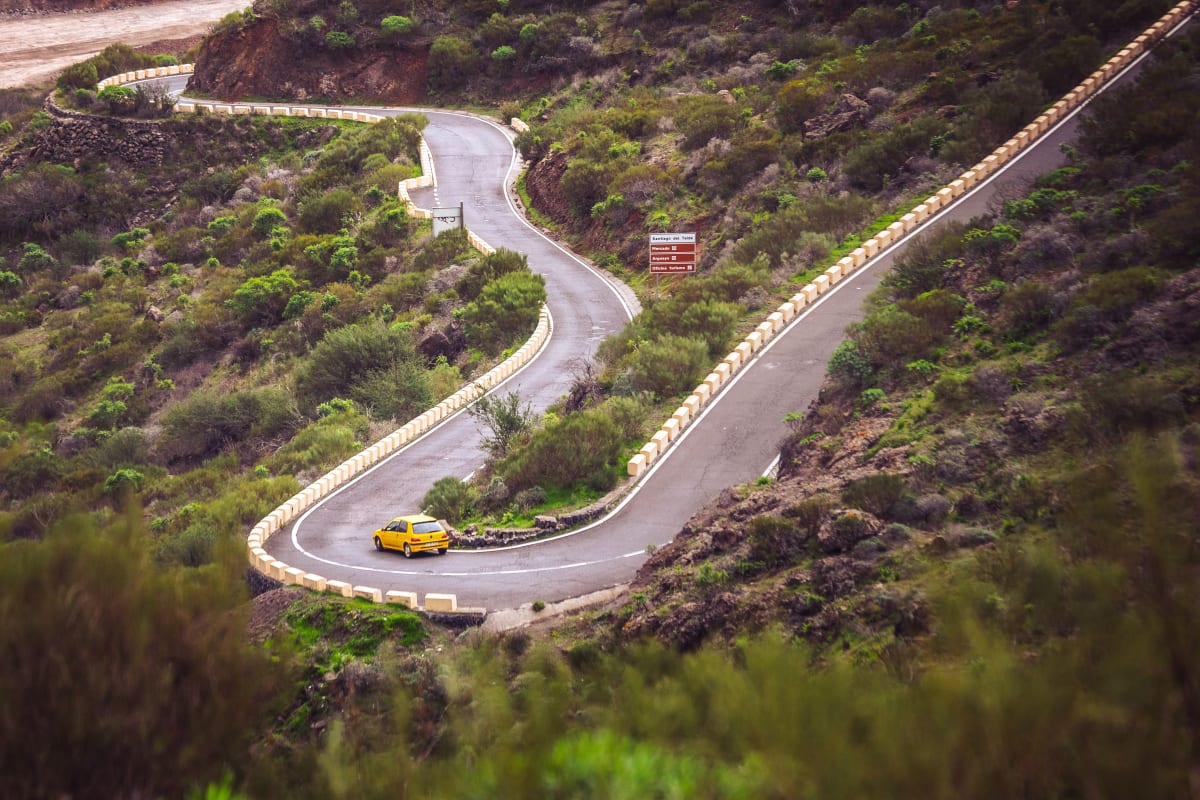
Car Rental
Hire a car and get up to Teide and out to the north
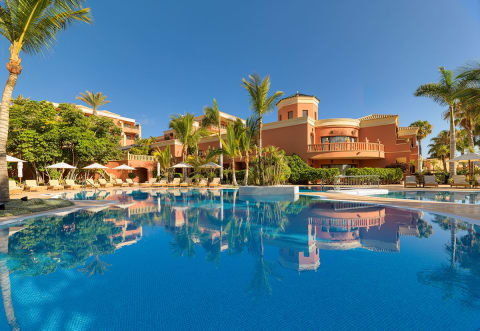
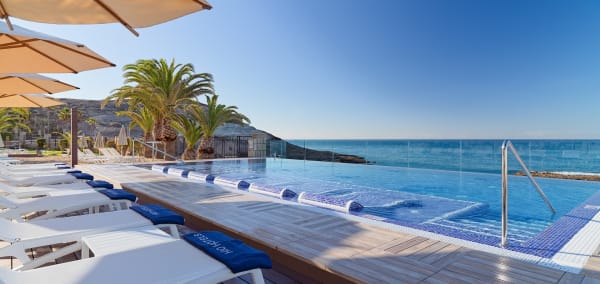
1881 Tenerife Madrigueras Golf Hotel
Built around the golf rather
Travel Tip
Two Islands, One Volcano
The south is dry, sunny and purpose-built; the north is green, cooler, older and much cheaper. They have different weather on the same day, and the drive between them is about ninety minutes.
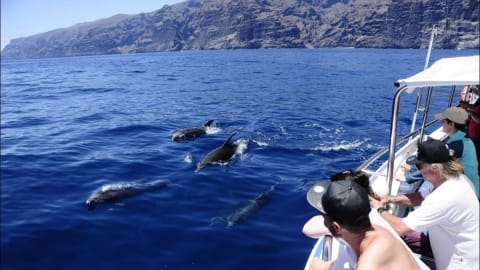
Marítima Acantilados
Runs the boat out of
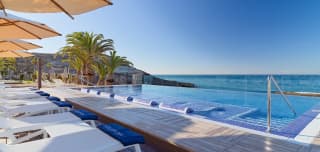

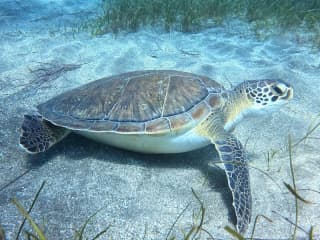


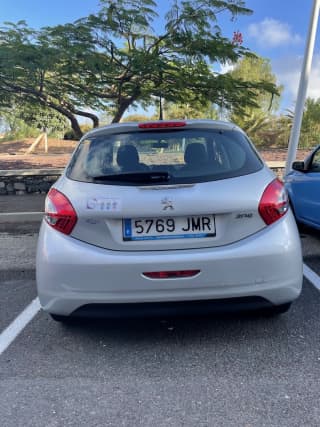
Rental EcoCar
Brings the car to the

Restaurants
Canarian kitchens, seafood & guachinches
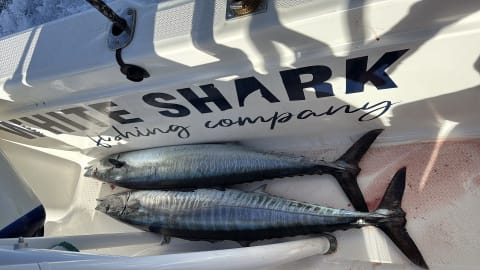
White Shark Fishing Company - Tenerife
Quotes the gear, the licence
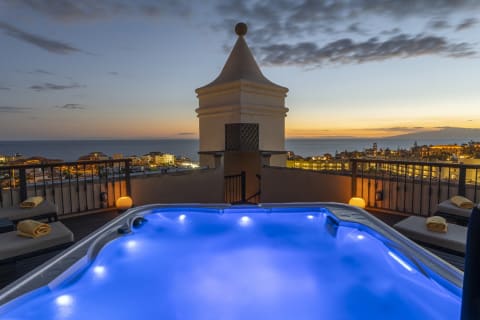
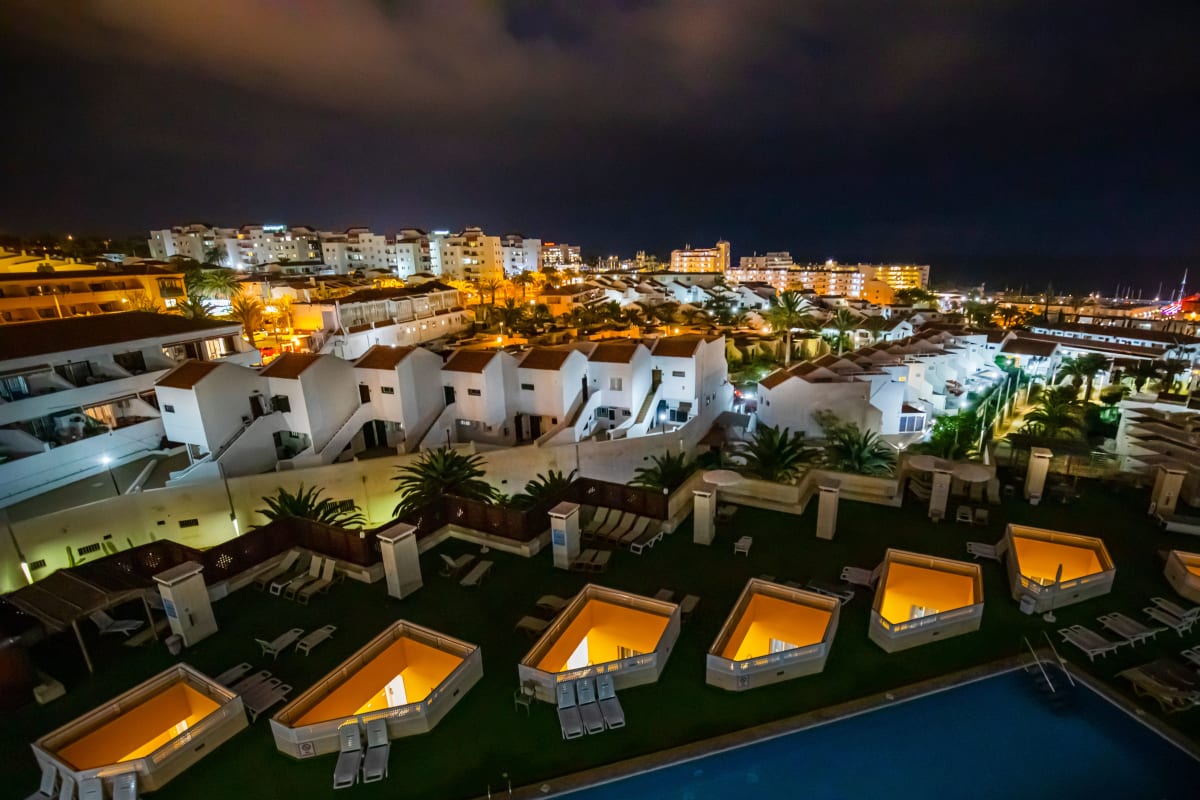
GF Gran Costa Adeje Hotel
One of five properties the

Sanasty Car Rental Tenerife
A family business that has


Maco Yacht
Publishes its approach rules and
Accommodation
Resort hotels, apartments & villas
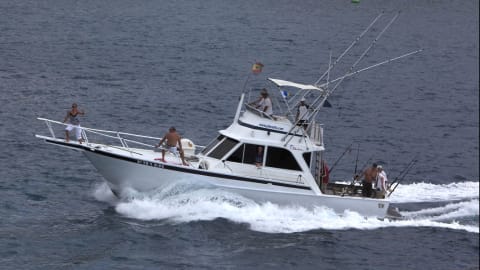
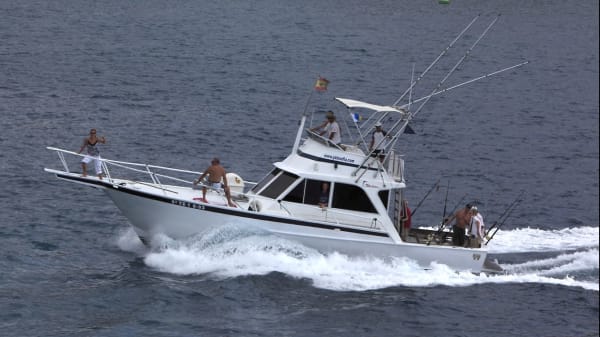
Big Game Fishing Yacht Sofia
One of the few boats
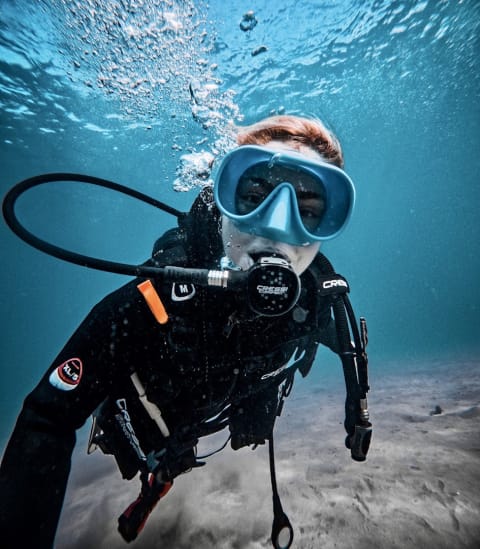
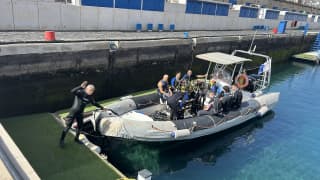
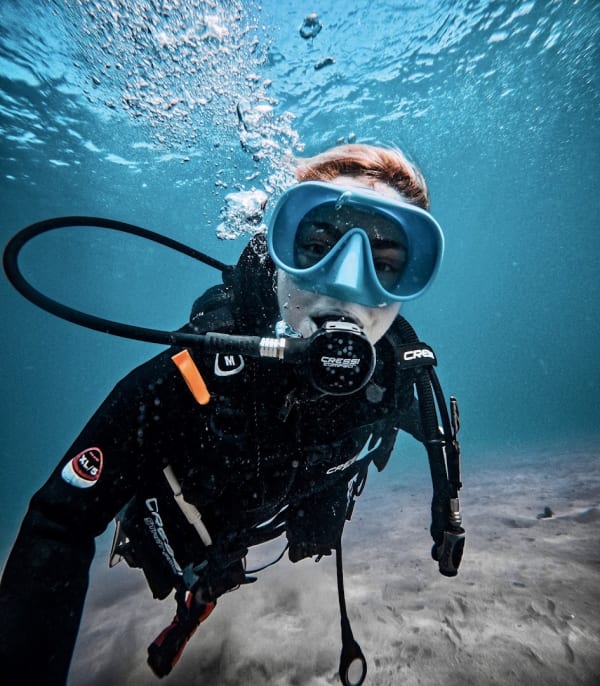
Barbarian Diving Tenerife
Trains through SSI rather than
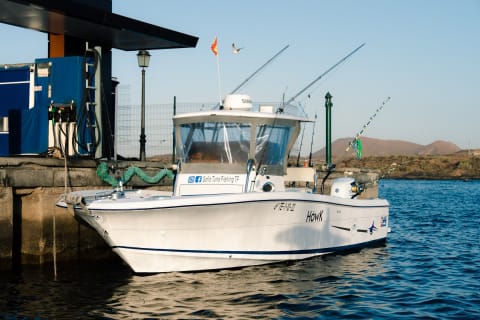
Gofio Tuna Fishing Tenerife
Fishes with a professional crew
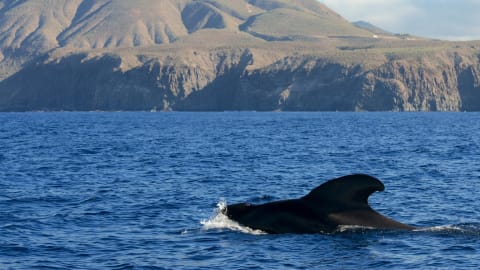
Eco Whale Watching Tenerife
Sails every day of the
Attractions
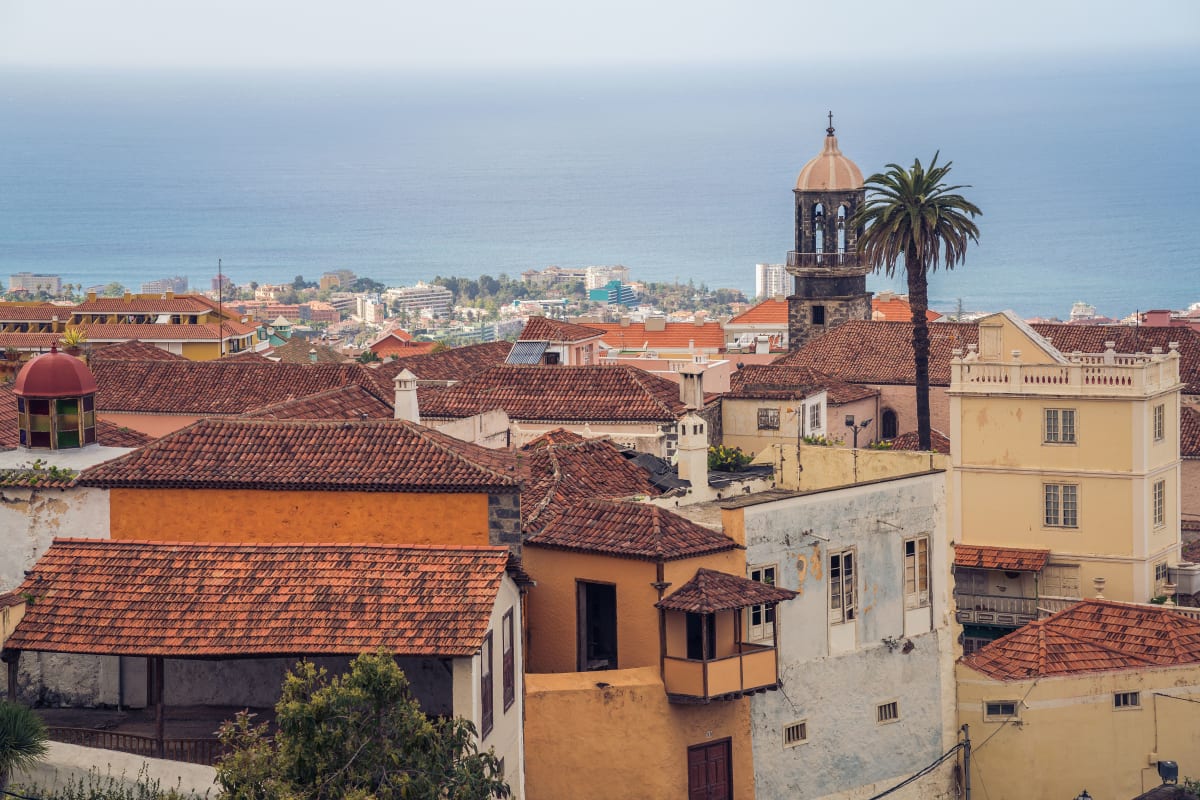
Teide, Anaga, La Laguna & the parks
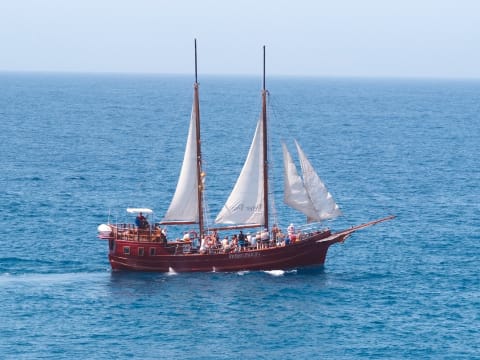
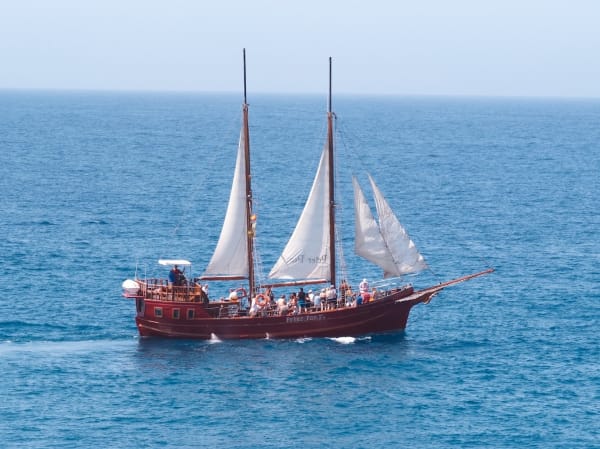
Barco Pirata Peter Pan Tenerife
The version of the trip
Explore by category
Explore Tenerife
From the beaches and boat trips of the south coast to the Teide crater, the laurel forest and the northern wine villages. Every corner of Tenerife by category.
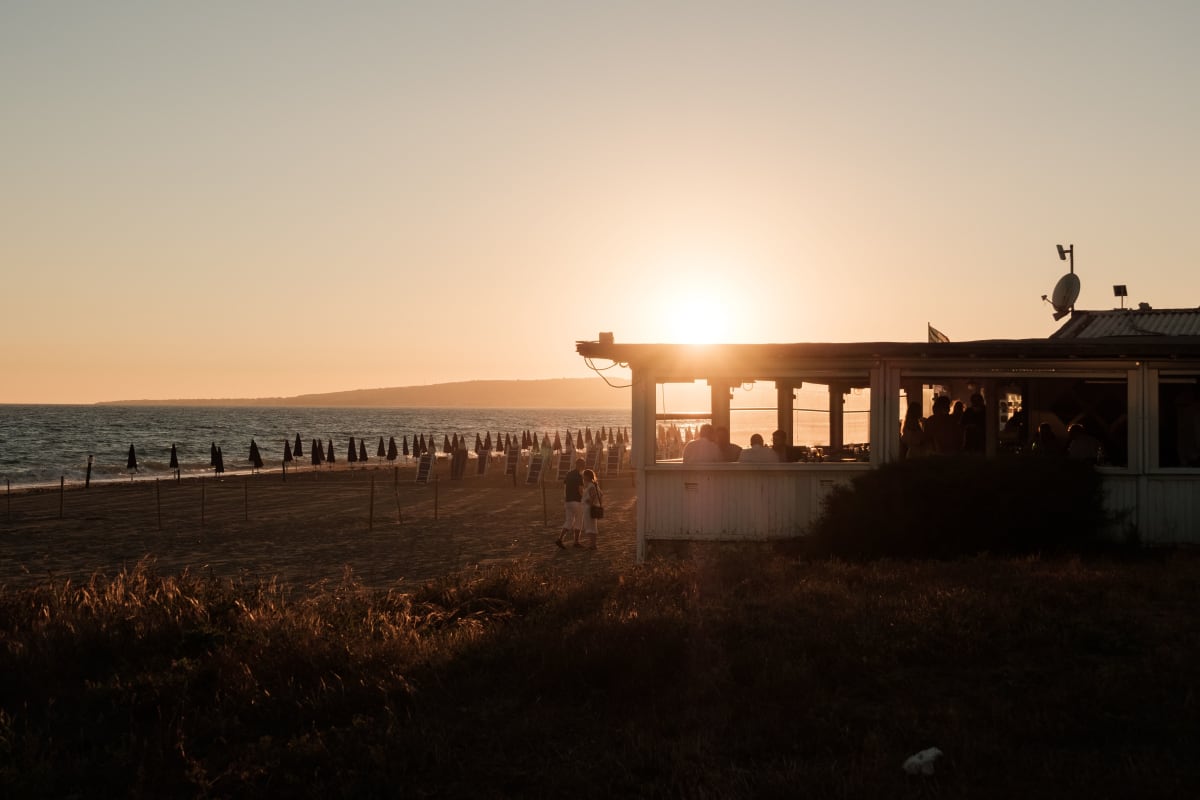


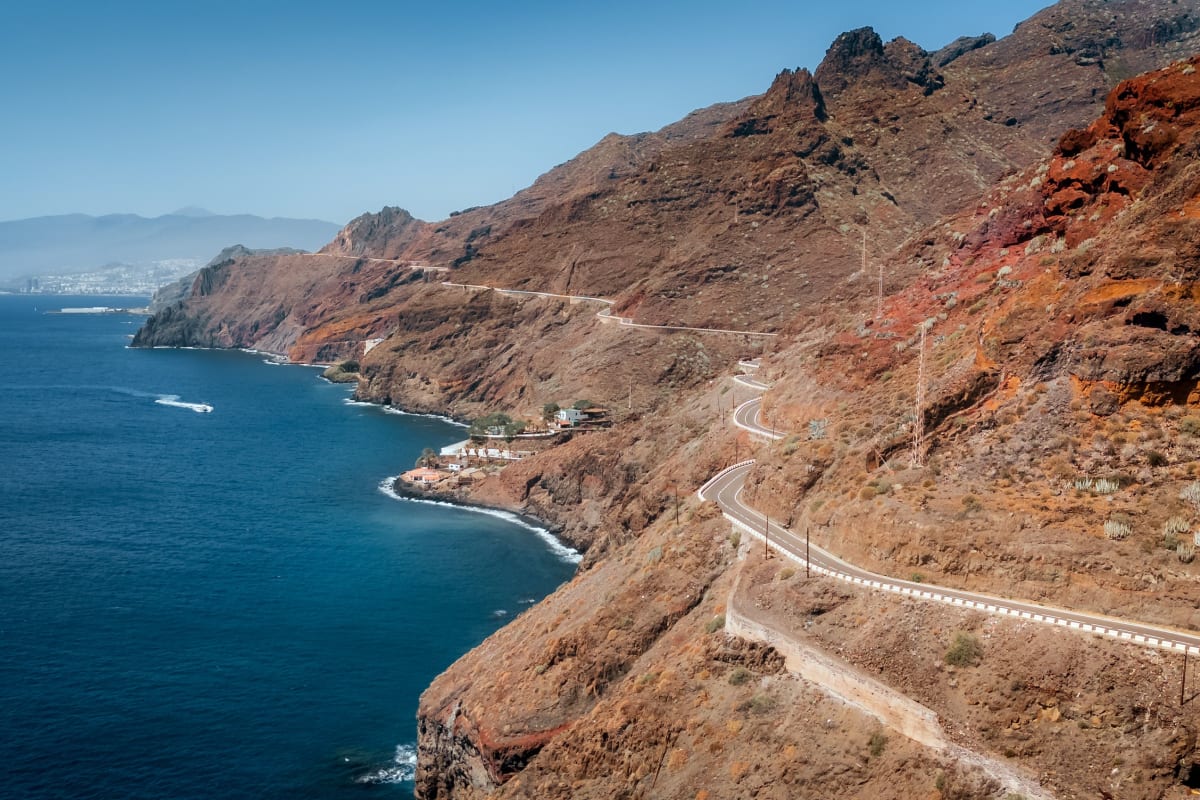
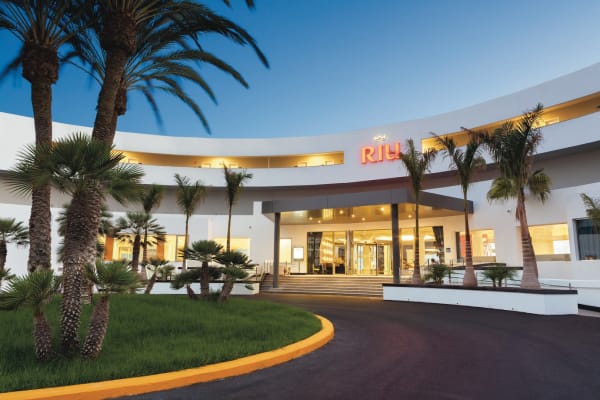
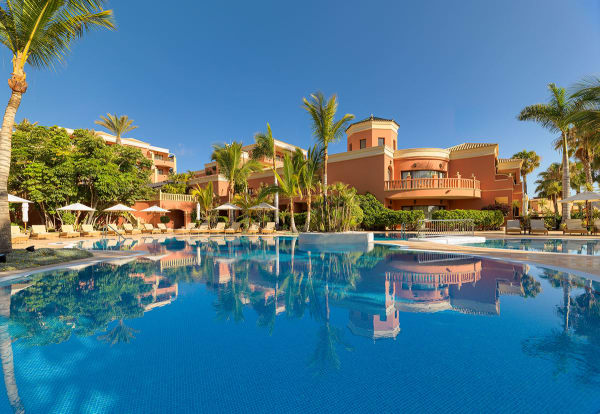
Recently Added in Tenerife
The newest businesses to join the directory.

Get out on the island
Tenerife is a driving island
The crater road, the northern wine villages and the west coast all sit well beyond the bus timetable. Compare the cars available across Tenerife and both airports, and have it booked in a couple of minutes.
Book a carCommon questions
Common Questions
Any month works, which is the island's whole proposition. The south is warm and dry all year and is at its busiest from November to March, when it is one of the few places in Europe with dependable winter sun. Spring and autumn are the best compromise: warm, quieter and cheaper. August is hot and busy with Spanish holidaymakers, and the north is greener and wetter in winter.
A week is the natural length. Three or four days covers the south, a beach or two and one trip up to Teide. A week lets you add the north properly, which is where the old towns, the wine country and the laurel forest are, plus a boat trip and a day on La Gomera. Two weeks is common here because so many visitors come for winter warmth rather than sightseeing.
Not if you are staying put in a southern resort, where everything is walkable and the excursion coaches pick up from the hotels. You do need one if you want the island: the mountain roads, the northern villages, the wine country and the west coast are all slow or awkward by bus. The roads are good, the distances are short and hire is cheap, with the deepest choice at the two airports.
The south for beaches and reliable sun, the north for everything else. Costa Adeje, Playa de las Americas and Los Cristianos have the sheltered sand, the resort hotels and the dependable weather. Puerto de la Cruz, La Orotava and Santa Cruz are greener, cheaper and closer to the volcano, the old towns and the forest, at the cost of more cloud and rougher sea. The drive between them is about an hour and a half.
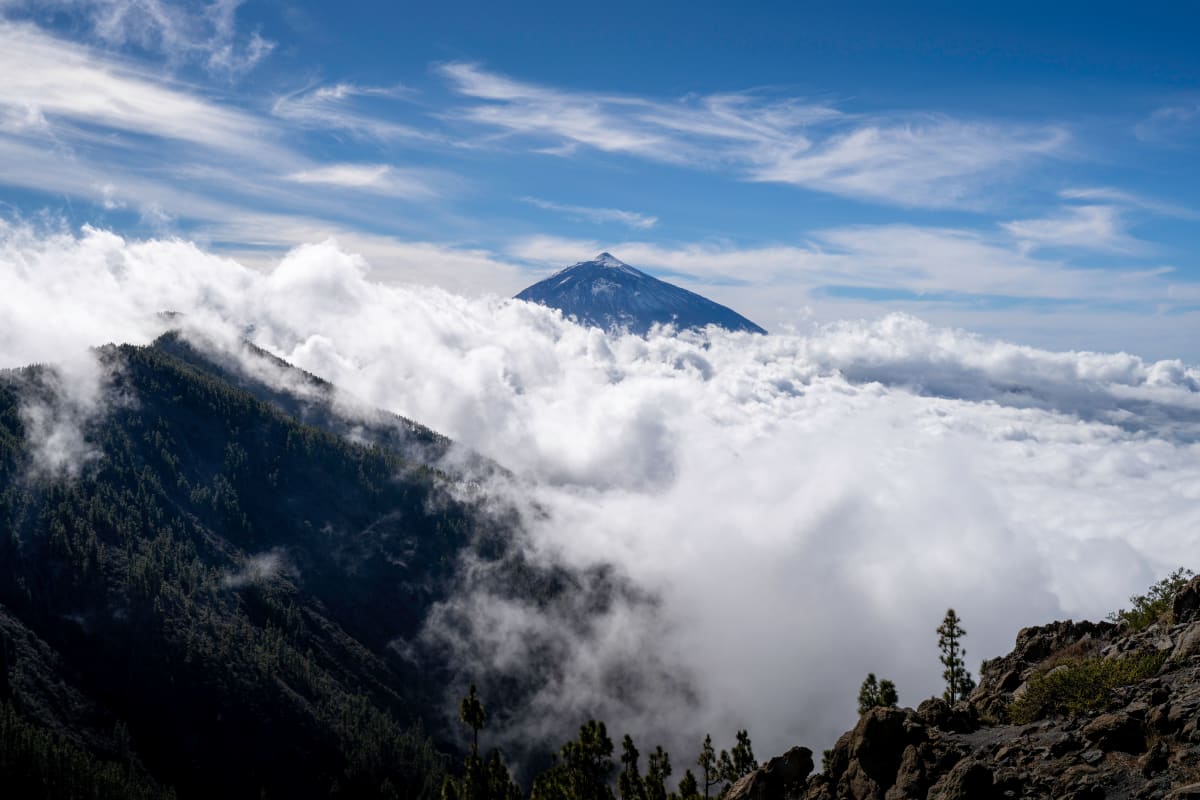
Yes, and it is the one thing on the island that has no substitute. The crater floor is reachable by car on four different roads, and a cable car climbs from it to 3,555 metres in about eight minutes. Walking the final stretch to the actual summit needs a free permit booked well in advance for a fixed time slot, which is what catches people out. Take warm clothes whatever the coast is doing.
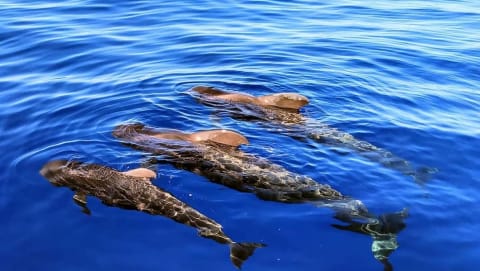
Reliably, and it is not a seasonal thing. The channel between Tenerife and La Gomera holds a resident population of pilot whales and bottlenose dolphins that does not migrate, which is why the area was designated a Whale Heritage Site. Boats run daily from Los Cristianos, Puerto Colon and Los Gigantes. Look for the blue Barco Azul flag, which marks operators accredited to approach the animals responsibly.
Any month works, which is the island's whole proposition. The south is warm and dry all year and is at its busiest from November to March, when it is one of the few places in Europe with dependable winter sun. Spring and autumn are the best compromise: warm, quieter and cheaper. August is hot and busy with Spanish holidaymakers, and the north is greener and wetter in winter.
Not if you are staying put in a southern resort, where everything is walkable and the excursion coaches pick up from the hotels. You do need one if you want the island: the mountain roads, the northern villages, the wine country and the west coast are all slow or awkward by bus. The roads are good, the distances are short and hire is cheap, with the deepest choice at the two airports.
Yes, and it is the one thing on the island that has no substitute. The crater floor is reachable by car on four different roads, and a cable car climbs from it to 3,555 metres in about eight minutes. Walking the final stretch to the actual summit needs a free permit booked well in advance for a fixed time slot, which is what catches people out. Take warm clothes whatever the coast is doing.
A week is the natural length. Three or four days covers the south, a beach or two and one trip up to Teide. A week lets you add the north properly, which is where the old towns, the wine country and the laurel forest are, plus a boat trip and a day on La Gomera. Two weeks is common here because so many visitors come for winter warmth rather than sightseeing.
The south for beaches and reliable sun, the north for everything else. Costa Adeje, Playa de las Americas and Los Cristianos have the sheltered sand, the resort hotels and the dependable weather. Puerto de la Cruz, La Orotava and Santa Cruz are greener, cheaper and closer to the volcano, the old towns and the forest, at the cost of more cloud and rougher sea. The drive between them is about an hour and a half.
Reliably, and it is not a seasonal thing. The channel between Tenerife and La Gomera holds a resident population of pilot whales and bottlenose dolphins that does not migrate, which is why the area was designated a Whale Heritage Site. Boats run daily from Los Cristianos, Puerto Colon and Los Gigantes. Look for the blue Barco Azul flag, which marks operators accredited to approach the animals responsibly.