Tenerife is really two places that happen to share a coastline. The mountain in the middle splits the island's weather, and that split has produced two tourist economies with almost nothing in common. People who love one frequently dislike the other, and both reactions are reasonable.
Deciding which half to stay in is the most consequential choice you make about a Tenerife holiday, and it is made harder by brochures that treat the island as one destination.
The weather is the root of it
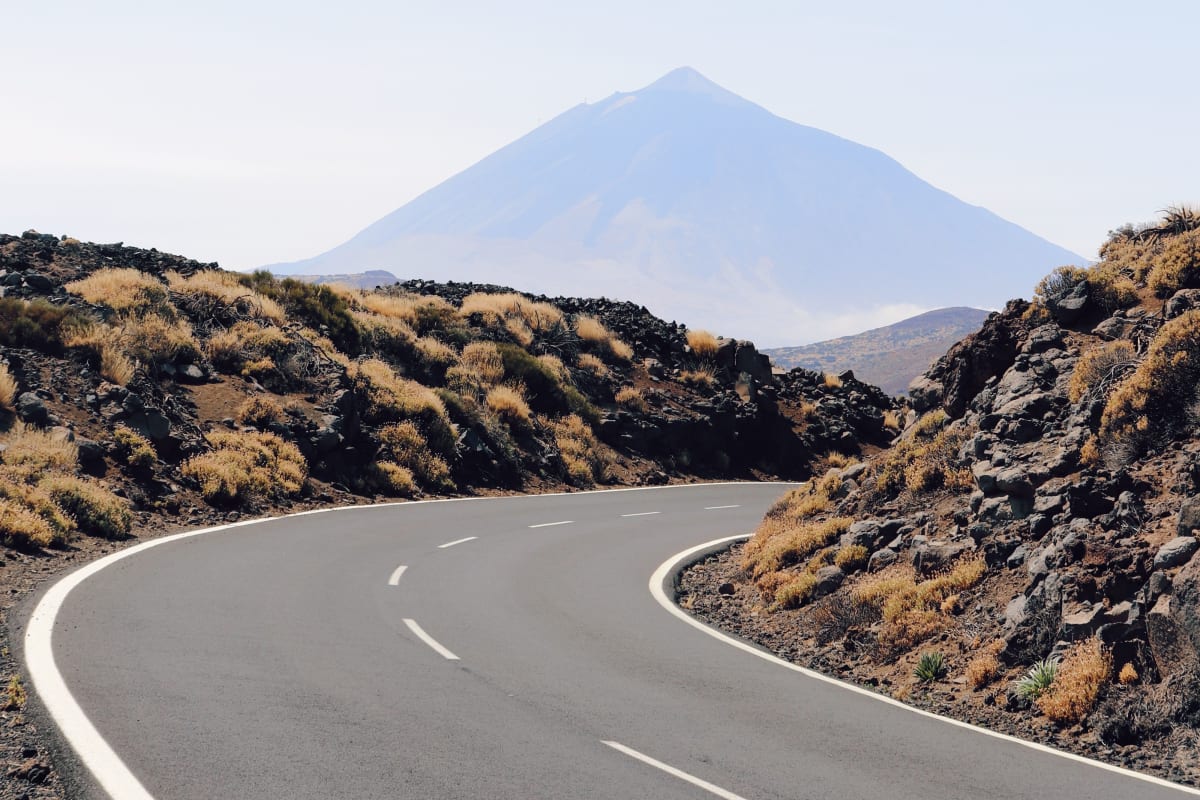
The trade winds arrive from the north-east carrying moisture off the Atlantic. Teide stops them. The moisture piles up against the northern slopes as cloud and rain, and the air that gets over the top arrives in the south dry.
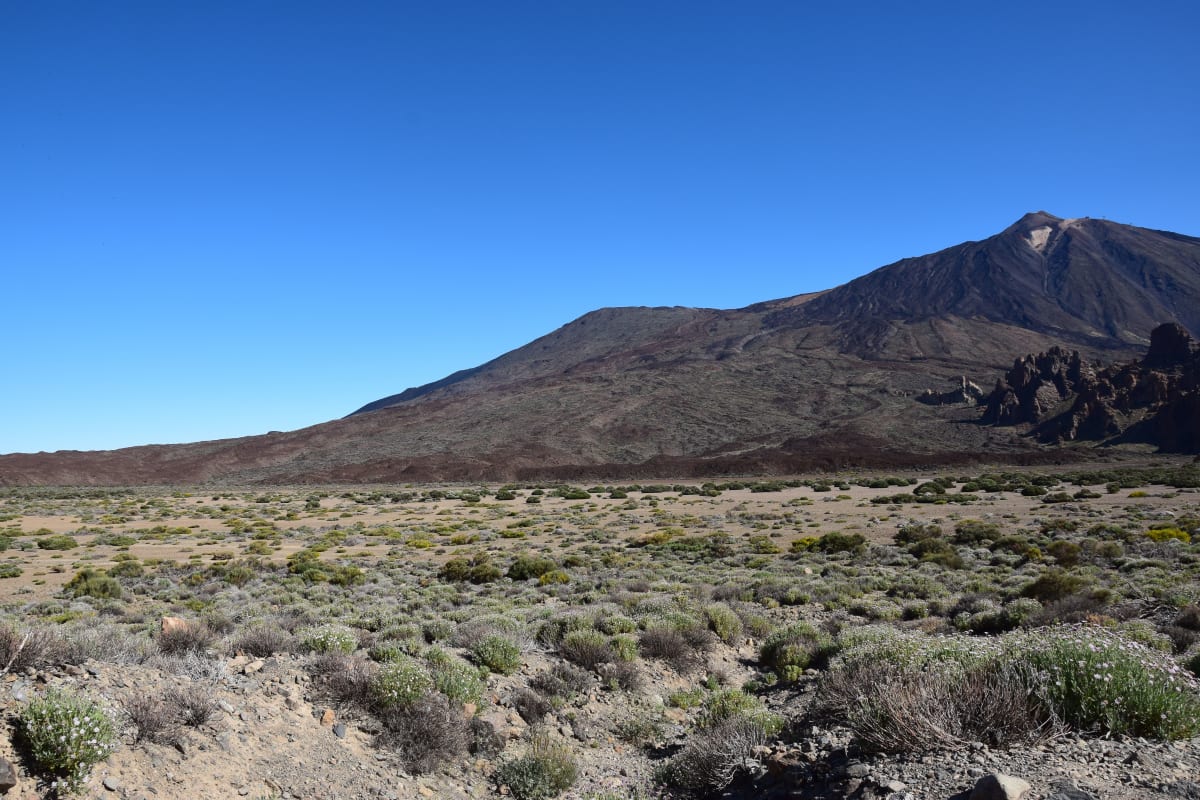
The result is stark. The north is green, cultivated and often under cloud. The south is arid, sunny and, at sea level, almost rainless. The difference on a given day can be twelve degrees and the difference between a beach and a raincoat.
If uninterrupted sun is the point of the trip, this decides it. The south.
What the south actually is
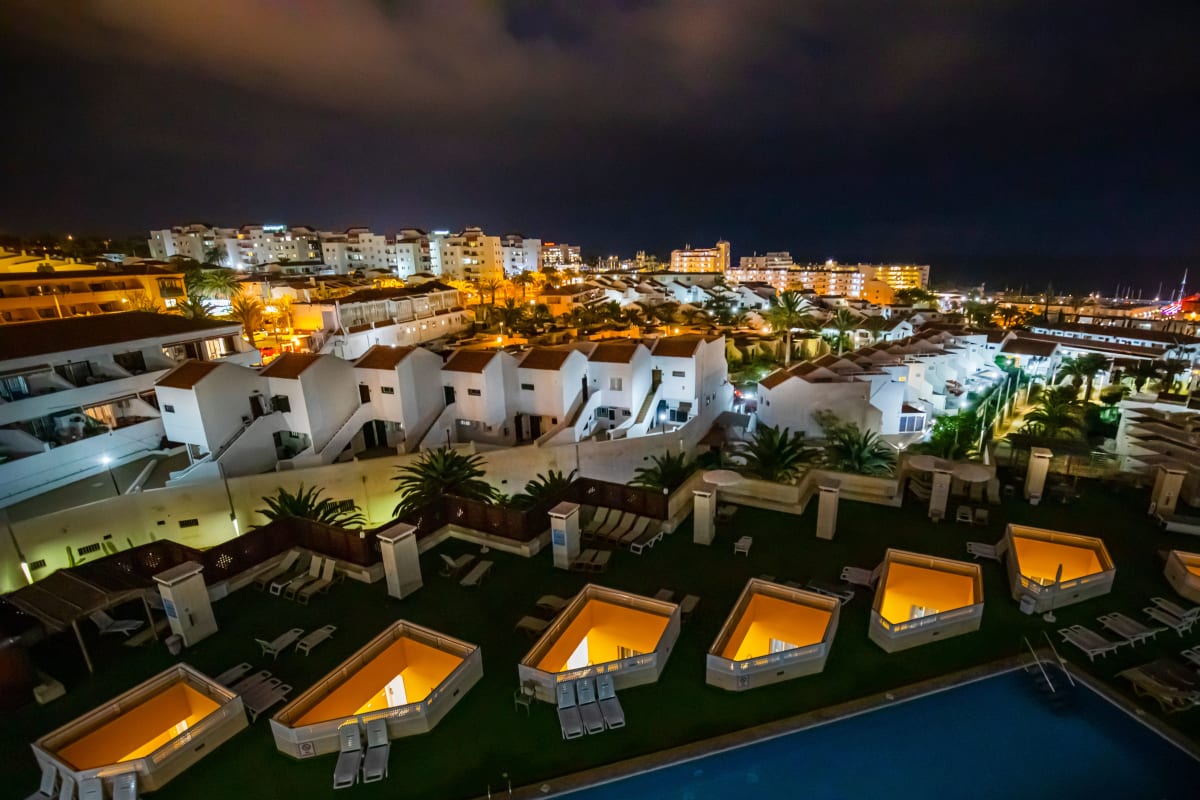
Playa de las Américas, Los Cristianos and Costa Adeje form a continuous resort strip along the southern coast, built from the 1960s onwards on ground that had nothing on it.
It is purpose-built and it does not pretend otherwise. What that buys you is reliability: sun almost every day, beaches with sand imported and groomed, water warm enough to swim in through the winter, a restaurant for every taste within walking distance, and the island's two big draws in Siam Park and the whale-watching fleet.
It also buys you a certain sameness. The strip is dense, it is loud in places, and the prices are set for visitors rather than residents.
Costa Adeje is the quieter and more expensive end, Los Cristianos the most walkable and the one with an actual town behind it, Playa de las Américas the busiest and youngest.
What the north actually is
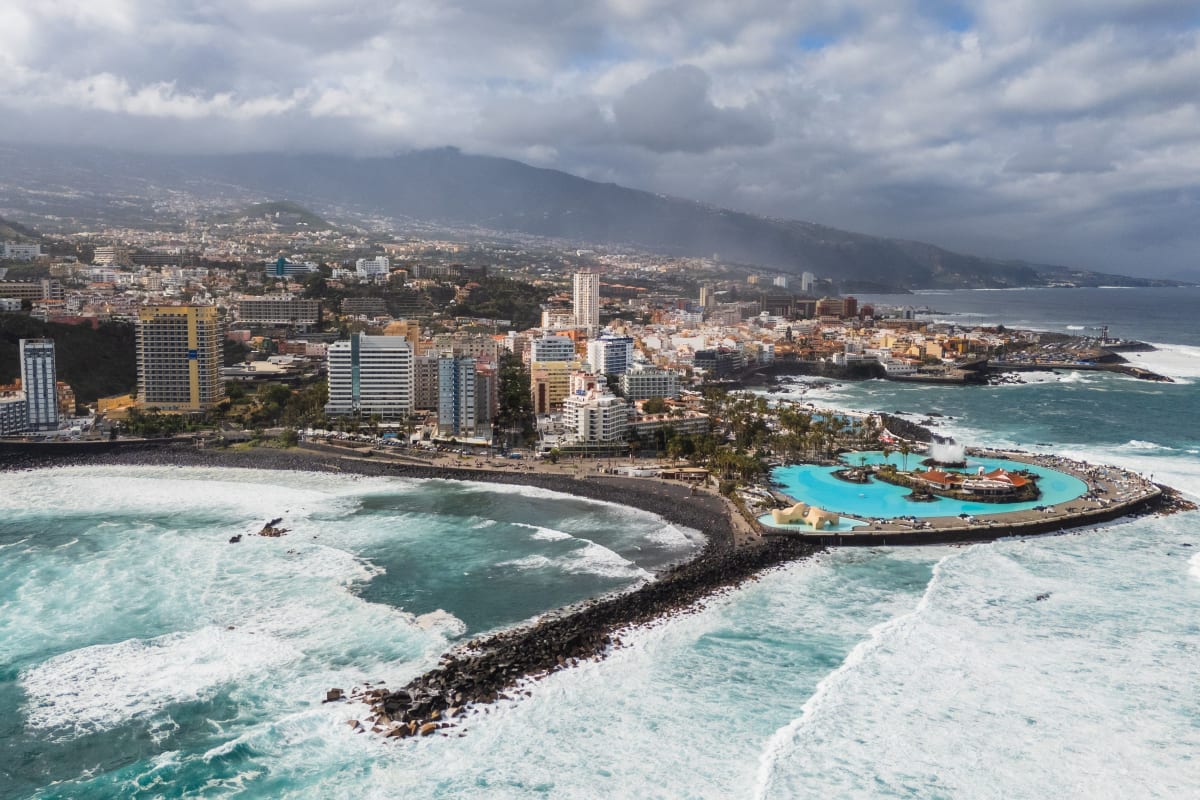
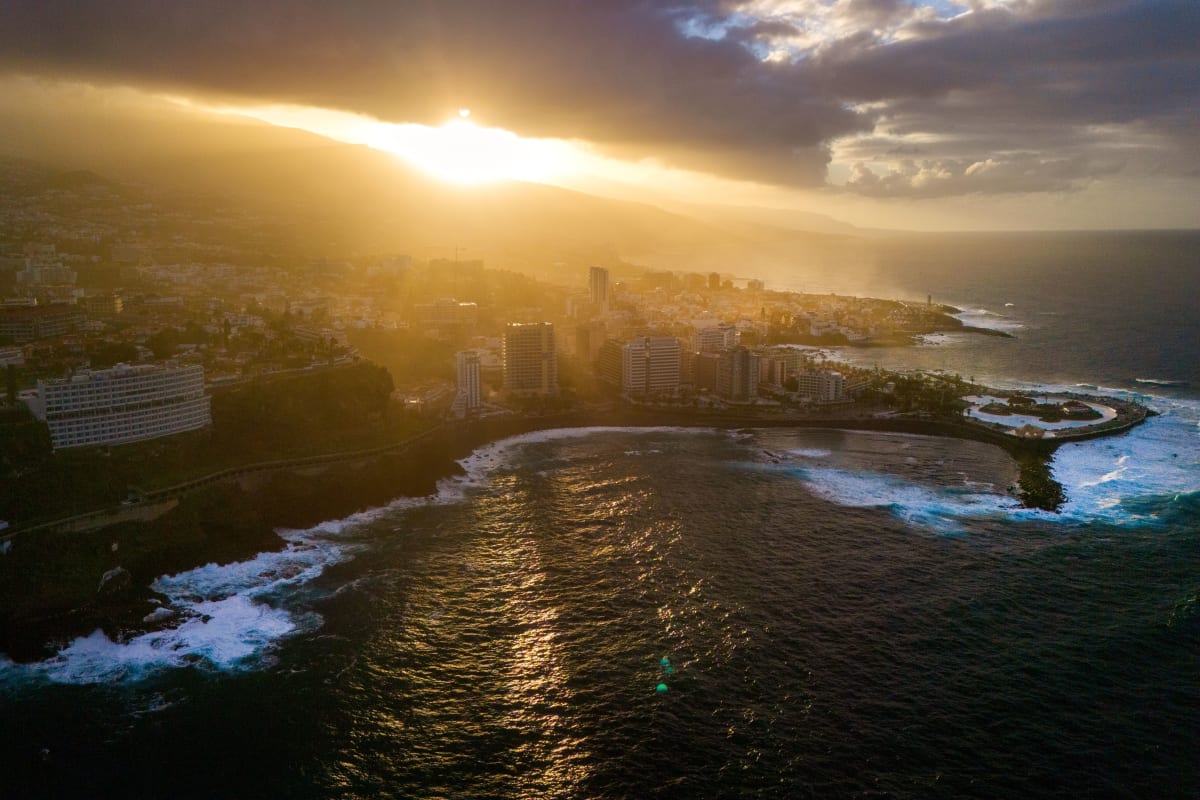
Puerto de la Cruz was a resort a century before the south was anything, and it shows. It is a real town with a working population, an old harbour quarter, a botanical garden planted in 1788, and the Lago Martiánez sea pool complex designed by César Manrique.
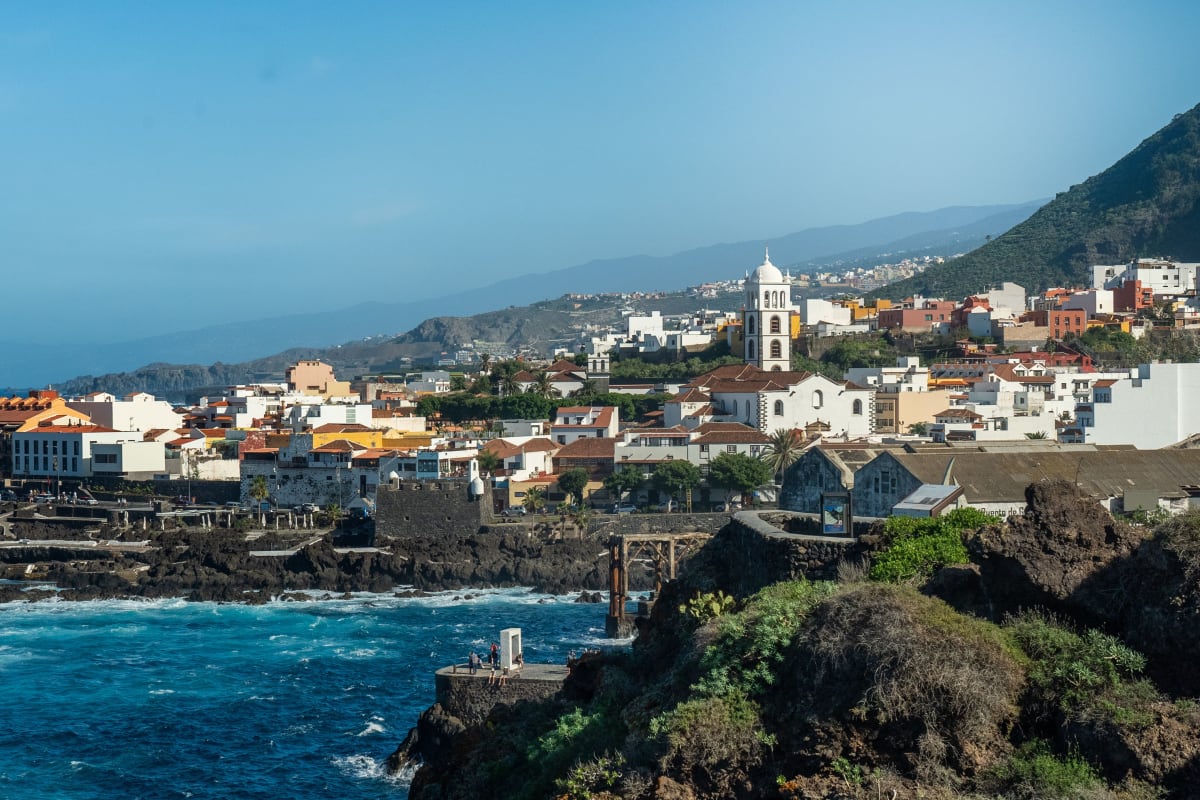
Behind it the Orotava valley climbs in terraces of banana and vine towards Teide, past La Orotava with its wooden balconies and Los Realejos. West along the coast are Icod de los Vinos with its thousand-year dragon tree and Garachico, a town half buried by lava in 1706 and rebuilt around the rock pools the flow left behind.
The north is cheaper, greener, older and considerably more interesting. It is also cloudier, its beaches are black volcanic sand, and the sea is rougher.
Tours and Things to Do in Tenerife
Whale watching, Teide, boat trips, walking tours and day trips across the island and out to La Gomera, via GetYourGuide.
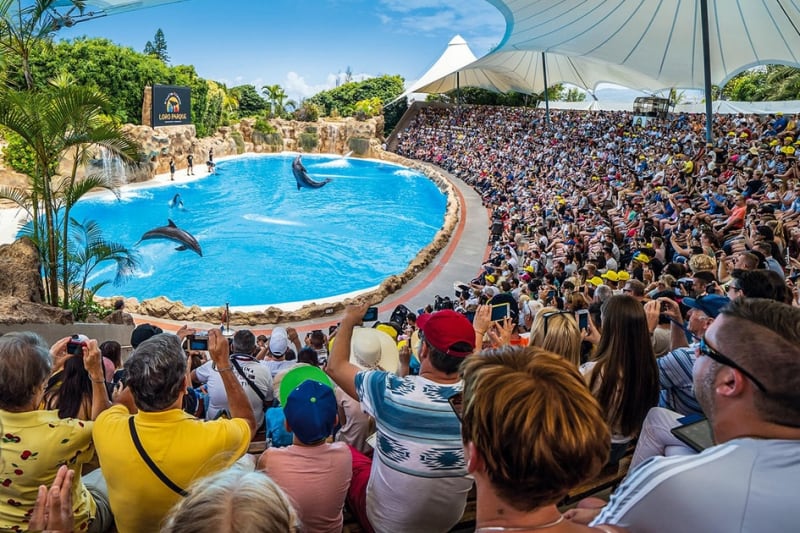
Loro Parque entry ticket
The parrot and marine park at Puerto de la Cruz, and the main reason to give the north a whole day.
Check availability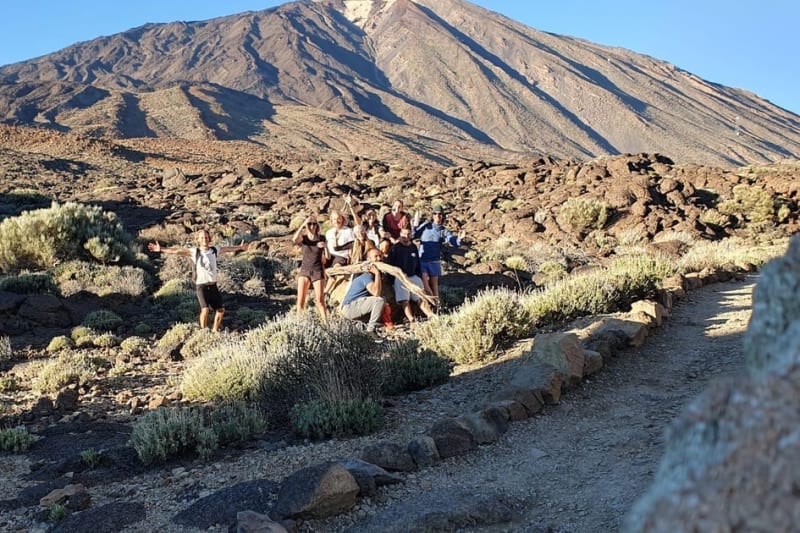
Masca, Teide and the Los Gigantes cliffs
Three of the island's set pieces in one long day, with a swim in a volcanic pool if the sea allows.
Check availability
Loro Parque and Siam Park on one ticket
Both parks on one purchase, cheaper than two gates and a reason to cross to the north.
Check availabilityThe food is not the same either
This is the part that surprises people. The northern valleys are where the guachinches are: wine-growers' houses that open their dining rooms to sell the household's own wine with a short menu of home cooking. They are concentrated in La Matanza, Santa Úrsula, La Orotava and Tacoronte because that is where the vines are.
You can eat extremely well in the south, but you are eating in a restaurant economy built for visitors. In the north you are eating what people who live on the island eat, at what they pay for it.

Santa Cruz and La Laguna, which are neither
The capital and the old university town above it sit on the eastern corner and belong to neither camp. Santa Cruz is a working port city with the island's museums, its shopping and a coffee culture that has grown up in the last decade. La Laguna, twenty minutes up the tram line, is a grid of sixteenth-century streets on the UNESCO list and the reason the island has a student population.
Neither is a beach destination. Both are worth a day, and Las Teresitas, the golden beach at San Andrés just outside Santa Cruz, was built with sand shipped from the Sahara and is the best beach on the island that is not in the south.
The weather, month by month
The south sits between twenty and twenty-six degrees all year at sea level and gets a handful of wet days annually. That is the whole proposition and it holds up: February in Costa Adeje is reliably warmer than June in most of northern Europe.
The north runs two to four degrees cooler and takes almost all the island's rain, most of it between November and March. It is also subject to the panza de burro, the donkey's belly, a low cloud layer that can sit over Puerto de la Cruz for days while the south is in full sun.
Both coasts get the calima a few times a year: a hot dust wind off the Sahara that turns the sky orange, raises the temperature sharply and reduces visibility. It usually passes in two or three days.
The sea is swimmable year round on both sides, around nineteen degrees in late winter and twenty-three in September. The difference is the swell, which is consistently bigger in the north.
What a week costs in each
The gap is real and it is not small.
In the south you are inside a visitor economy. A main course on the seafront runs to what it would in a mid-range restaurant at home, a sunbed and parasol is a daily charge, and the excursions are priced for people on holiday.
In the north you are largely inside a resident economy. A guachinche lunch with wine costs a fraction of a seafront dinner, parking is cheaper or free, and accommodation across a comparable standard is markedly less.
Against that, the south has more competition on flights and package deals, so the arrival cost can be lower. The saving in the north is in what you spend once you are there.
If you can only pick one base
Most people should take the south for a first visit and the north for a second, and that is not a criticism of either.
The exception is anybody whose trip is built around food, walking, or seeing an island rather than resting on one. That trip works badly from the southern strip and well from Puerto de la Cruz or the Orotava valley, and the weather is the price of admission.
There is a third option nobody mentions: base yourself inland. Vilaflor, La Esperanza and the villages above the coast put Teide, both coasts and the capital within an hour, at prices below either resort, and with a car the compromise costs almost nothing.
The one thing both halves share
Whichever coast you choose, the island is small enough that the other one is a day trip and large enough that a day trip is a proper day out. The motorway ring makes the far corners reachable, and almost everybody who stays a week ends up crossing at least twice.
That is the argument for a hire car in a sentence. The accommodation decision sets where you sleep; it should not set how much of the island you see.
The coasts nobody mentions
North and south is the usual framing and it leaves out two coasts that suit particular people very well.
The west, around Los Gigantes, Playa San Juan and Alcalá, sits under cliffs that fall five hundred metres into the sea. It is drier than the north and much quieter than the south, the whale-watching boats leave from there, and the sunsets are the best on the island because the sun goes down into open ocean. It is short of beaches and it is a long way from the airport.
The east, around El Médano and Granadilla, is where the wind goes. That has made it one of Europe's leading windsurfing and kitesurfing destinations, and it has produced a town that feels nothing like a resort: low buildings, a long natural beach, a young international crowd, and prices closer to the north than the south.
El Médano is also fifteen minutes from Tenerife South airport, which makes it the obvious base for a short trip. The wind that makes it good is constant, so anyone hoping to lie still on a towel should look elsewhere.
So which one
Take the south if you want guaranteed sun, a beach you can walk to, children who need a water park, or a first visit where the point is to relax rather than to explore.
Take the north if you want a town rather than a resort, if you care about food and wine, if you would rather pay local prices, or if you have been to the south already and found it thin.
Take a hire car either way. The island is small enough that whichever half you sleep in, the other is ninety minutes away, and the mistake is not choosing wrong. The mistake is never leaving the half you chose.